
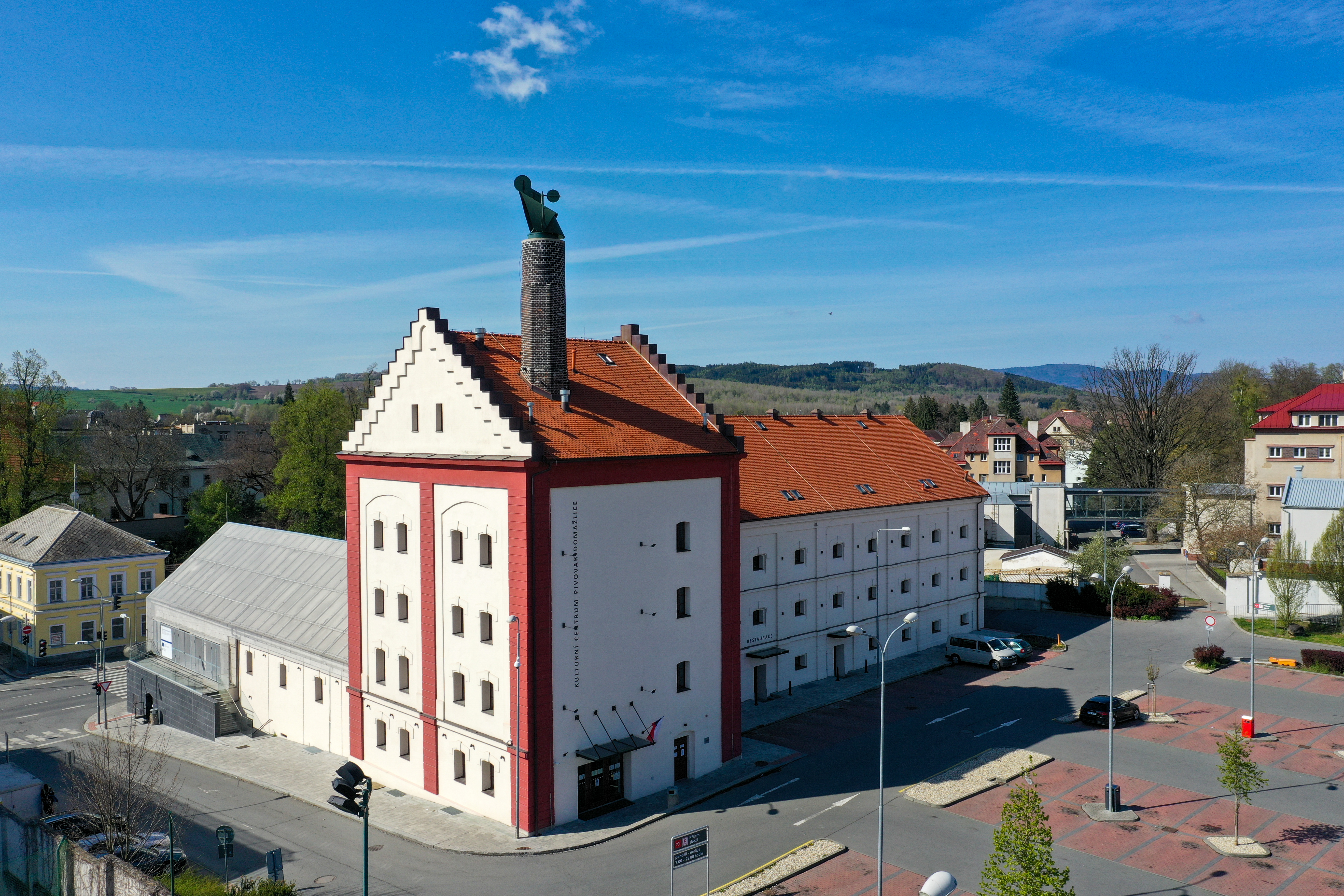
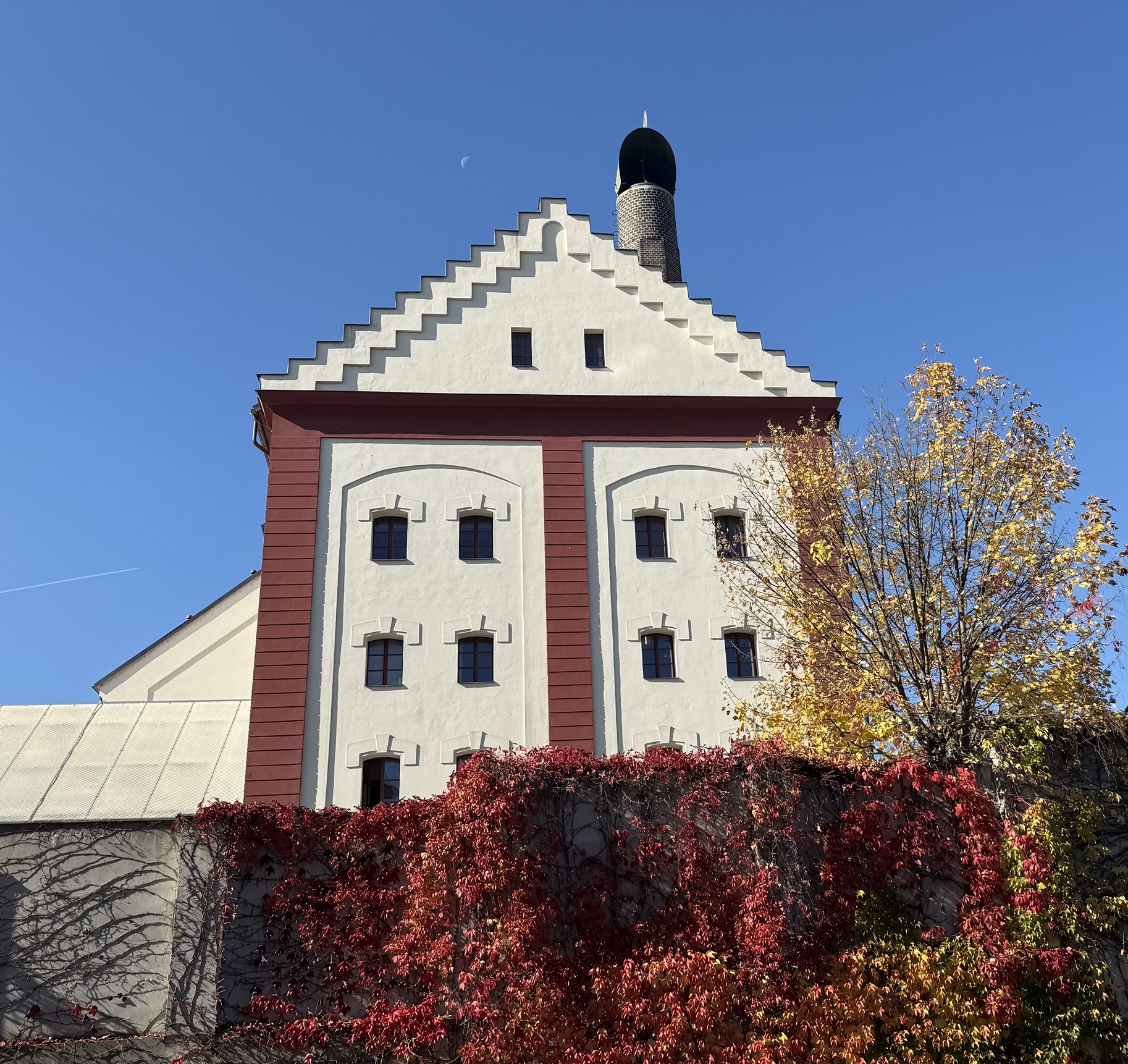
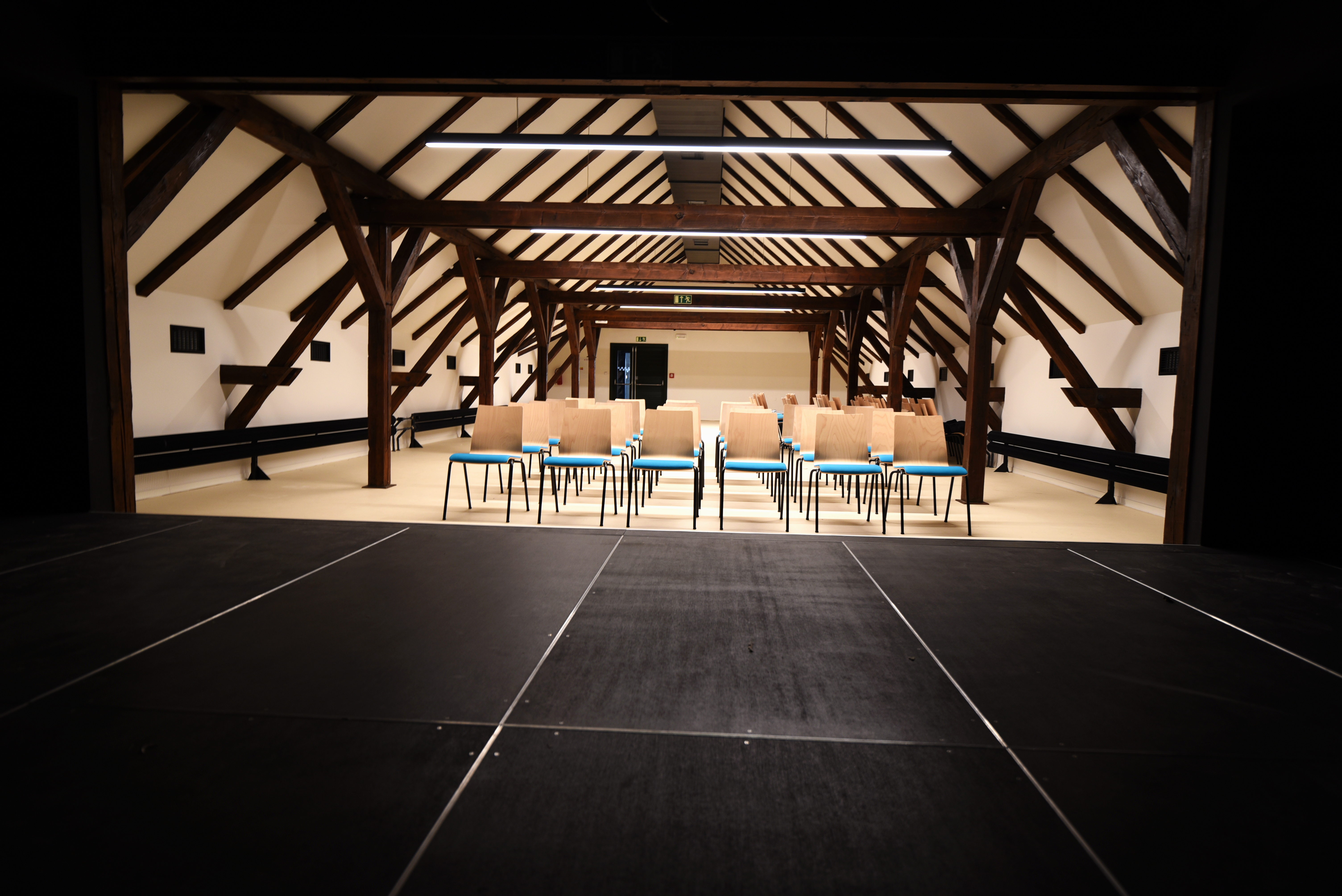
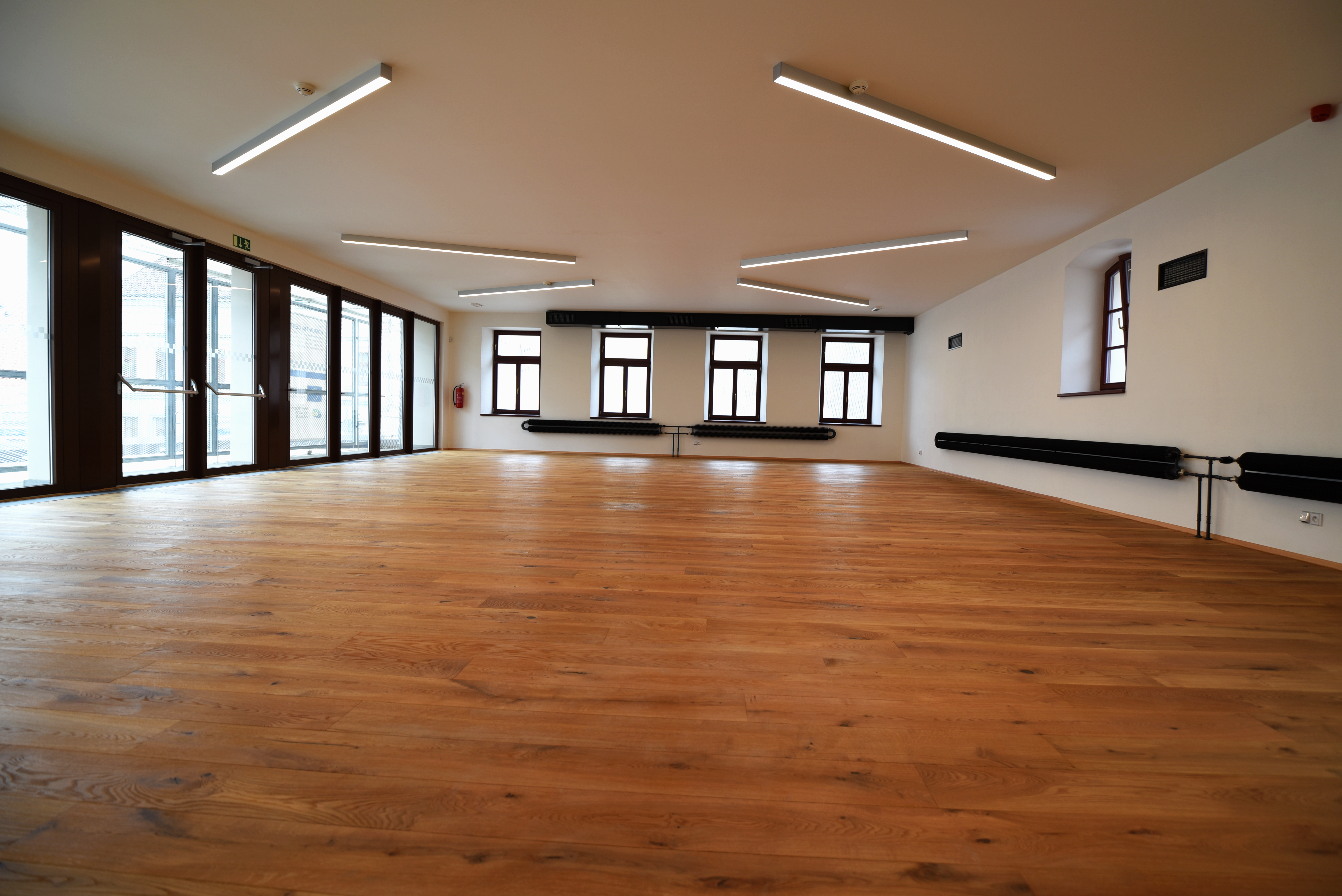
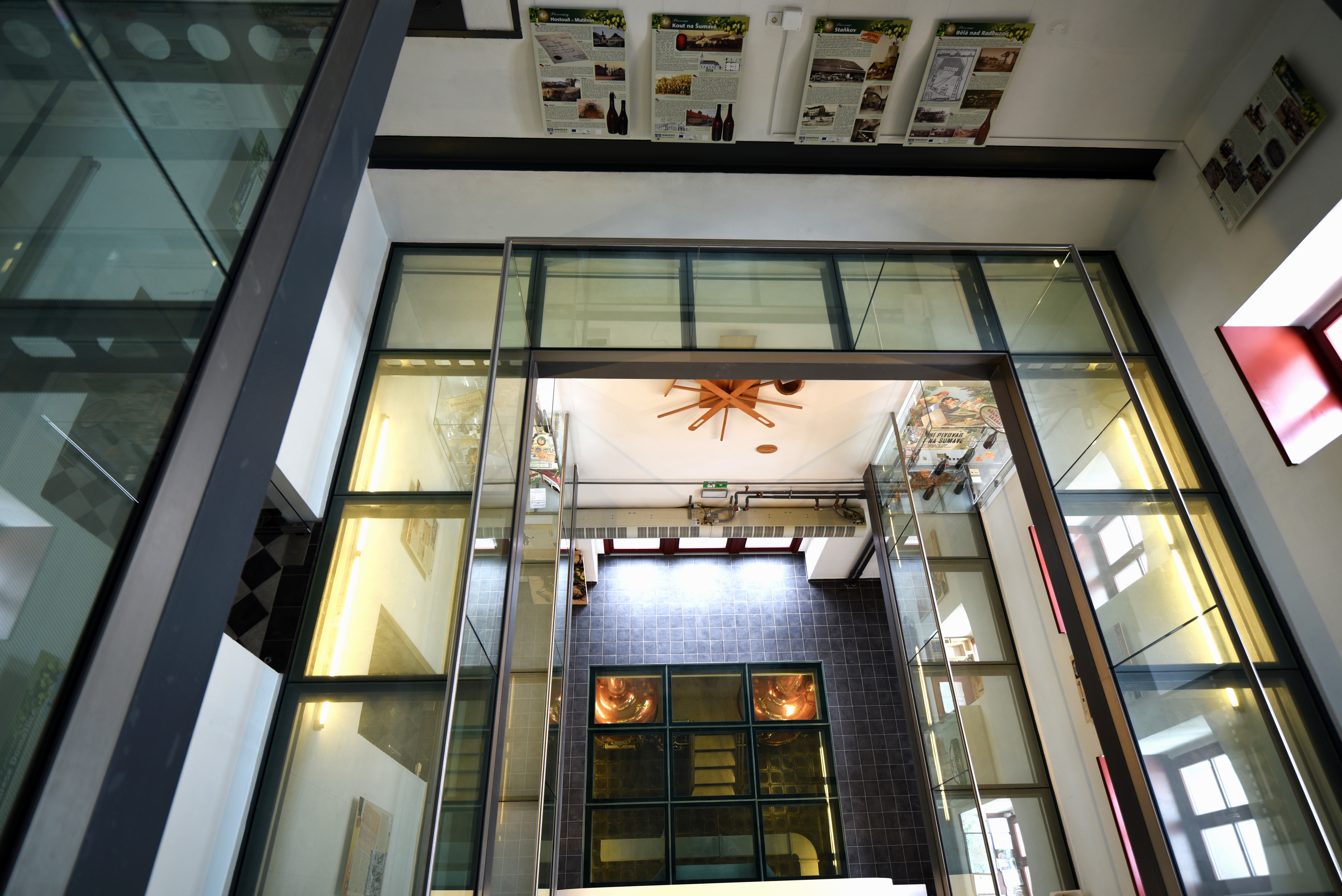
The kiln hall (hvozd) of the Cultural Centre will host, as part of the seminar and open to the public throughout November, an exhibition of the history of Czech javelin.
The focus of this talk will be open discussion – your questions, thoughts and shared views will play the central role.
Barbora Špotáková is without doubt the most successful javelin thrower in the history of the sport and one of the greatest legends of Czech athletics. Her career is a story of extraordinary talent, unbreakable willpower and the ability to return to the top in situations that almost nobody expected.
She started as a heptathlete – finishing fourth at the Junior World Championships in 2000. She discovered the javelin during a study stay in the USA and gradually switched to the event entirely. The first major turning point came in 2006, when she won silver at the European Championships in Gothenburg. A year later, at the World Championships in Osaka, she claimed her first world title with a throw of 67.07 m.
The peak of her career came in 2008. At the Olympic Games in Beijing she won gold with her final throw – 71.42 m – setting a new European record. Less than a month later, on 13 September 2008 at the World Athletics Final in Stuttgart, she pushed the bar even higher – a throw of 72.28 metres created a world record that still stands today. That performance made her immortal.
Four years later in London she defended her gold, becoming the first javelin thrower since Ruth Fuchs in 1976 to win the Olympic title twice in a row. In 2016 in Rio she added bronze.
In 2011 she won the World Championships in Daegu, though gold was only officially awarded to her in 2018 following the disqualification of the original winner, Russian thrower Abakumova, for doping. She added a third world title in 2017 in London – at a time when she was returning from maternity leave. In total she won eleven medals at major world championships – the most of any Czech female athlete in history.
She ended her sporting career in September 2022. The decision came after the European Championships in Munich, where she won bronze – what she described as "a symbolic closing of the circle". At her farewell press conference at the U Pinkasů restaurant in Prague she said: "Every fairy tale ends, and mine had a wonderful happy ending in the form of a bronze medal at the European Championships in Munich. My body was clearly telling me it was time to stop."
After ending her active career she devotes herself fully to her family – she has two sons, Janek (2013) and Darek (2018). She says: "Now I want to be a mum above all. I feel they need me more than ever."
At the same time she wants to pursue athletics – she plans to work at Dukla Praha and pass her experience on to young athletes. Since April 2024 she has been Vice-President of the Czech Athletic Association.
After the end of her active career Barbora Špotáková has gradually moved into the coaching role. Her first athlete is Ostrava-based javelin thrower Nikola Tabačková. Their collaboration began at the turn of 2024/2025 and Špotáková threw herself into the new role with full commitment. Her approach has been clear from the start – she wants to pass on to the younger generation everything she learned during her exceptional career and help them rise to the world elite.
Results came quickly. Under Špotáková's guidance Tabačková has improved her performances and her current personal record stands at 61.44 metres. This figure suggests the partnership has great potential and that Špotáková as a coach can convert her experience into concrete results.
Špotáková herself says: "I'm really glad that Nikola gave me this chance and trusts me. Our work together is still in its early stages, but I can see great potential in her. I enjoy watching her progress."
Barbora Špotáková will share her experiences of working together with Rudolf Černý, reflect on her long and exceptional career and take questions from the audience. Her new coaching role and collaboration with Nikol Tabačková will also receive substantial attention. Come and ask about her journey, how she dealt with setbacks and returns from maternity leave, what helped her stay at the top for so long and what her plans are as a coach.
World champion from Moscow 2013, European champion from Helsinki 2012 and two-time Olympic medallist (bronze London 2012 and Tokyo 2021) will share his story of a gradual rise that culminated in world titles. He went through difficult periods including injury but always managed to return – most dramatically in Tokyo 2021, where at the age of 38 he sensationally won bronze.
He will present the training methods he applied under coaches Jan Železný, Jaroslav Havel and Zdeněk Lípa – work on technique and timing that were key to his success. He will focus on the role of mental attitude, because in his view the javelin is decided in the head. He will describe how he dealt with health problems and how his ability to listen to his body helped him. He will show that longevity in elite sport is possible – a career to age 41, 97 competitions over 80 metres.
The coach who developed one of the greatest legends of modern Czech athletics – Barbora Špotáková – and also contributed to the launch of Jakub Vadlejch's career. Rudolf Černý was named Coach of the Year five times in the Athlete of the Year awards and was inducted into the Czech Olympic Committee Hall of Fame in 2022.
Key insights from his coaching philosophy:
Former national team member (PB 85.74 m) and Jakub Vadlejch's coach since 2024. Recollections of working with Dana Zátopková and sparring with Jan Železný.
The history of Czech javelin – from Dana Zátopková, through Zdeněk Adamec (the first Czech to break 90 m, with 92.94 m in 1985) and Jan Železný, to Vítězslav Veselý and the present day. Czech performance benchmarks (men 80 m, women 60 m), the age at which first major medals are won. The common denominator of successful javelin throwers – a base in another sport (gymnastics, combined events) and natural development without rushing. Emphasis on longevity and correct timing of the career peak.
Halbich Sport will present the latest generation of training machines and technological devices designed to develop specific strength qualities in athletics with a focus on the javelin throw. Participants will explore the possibilities of modern equipment that enables targeted development of key muscle groups, real-time performance measurement and efficient optimisation of the training process. The presentation will also include practical examples of how these technologies are used in elite athlete preparation and their contribution to greater efficiency, safety and individualisation of training. The session will be led by specialists in these technologies.
The creator of the unique MFK diagnostic method (Manual Physiotherapeutic Correction), together with the MFK team, will offer insights into prevention and regeneration. They will show how modern diagnostics can reveal hidden imbalances in the musculoskeletal system and how targeted physiotherapy builds on this. This approach is key to maintaining health and maximum performance – essential in javelin training.
The MFK method has been used long-term by many leading Czech athletes – Barbora Špotáková (regularly as part of her preparation system), Patrik Berger (return to full performance, football), Petr Bříza (career extension, ice hockey), Kateřina Baďurová (athletics), and other national representatives from cycling, ice hockey, basketball, volleyball, rowing and gymnastics. Current athletes: Petra Sičaková, Tomáš Staněk
Former coach of Olympic champion and world champion Haruka Kitaguči and Czech national junior javelin coach since 2018. He will shed light on the structure of Czech youth athletics and his philosophy of developing young talents. Through practical examples he will show how to build solid technical foundations and gradually bring athletes to the highest level – medals at major world events.
Former coach of Olympic medallist Nikola Ogrodníková, European junior champion Nikol Tabačková, Martin Konečný and current national team member Alexander Čača, focusing on one of the most important periods in an athletic career – the transition from junior to senior athletics.
He will present a methodical approach to the long-term development of javelin throwers, principles of training planning and training means that help successfully manage this demanding period. A philosophy of systematic preparation, emphasis on developing physical qualities, throwing technique and the use of a wide range of specialist training tools, aimed at achieving long-term performance growth and minimising the risk of injury.
She will share the story of her athletic journey, which culminated in a bronze medal at the Olympic Games in Paris 2024. Listeners will learn about her beginnings in the heptathlon, her move to the javelin and the breakthrough year of 2018, when she won silver at the European Championships in Berlin and stood on the Diamond League podium for the first time.
She will describe her preparation after returning from maternity leave – the demanding process of rebuilding her physical base, gradually increasing the workload and finding the balance between training and caring for her son. She will mention her collaboration with coaches and with Miroslav Guzdek as a consultant. In the Olympic final she overcame poor first throws, found her rhythm in the third round and sent the javelin to 63.68 metres to secure bronze. She will show that the road to the top need not be straight and that patience and perseverance pay off.
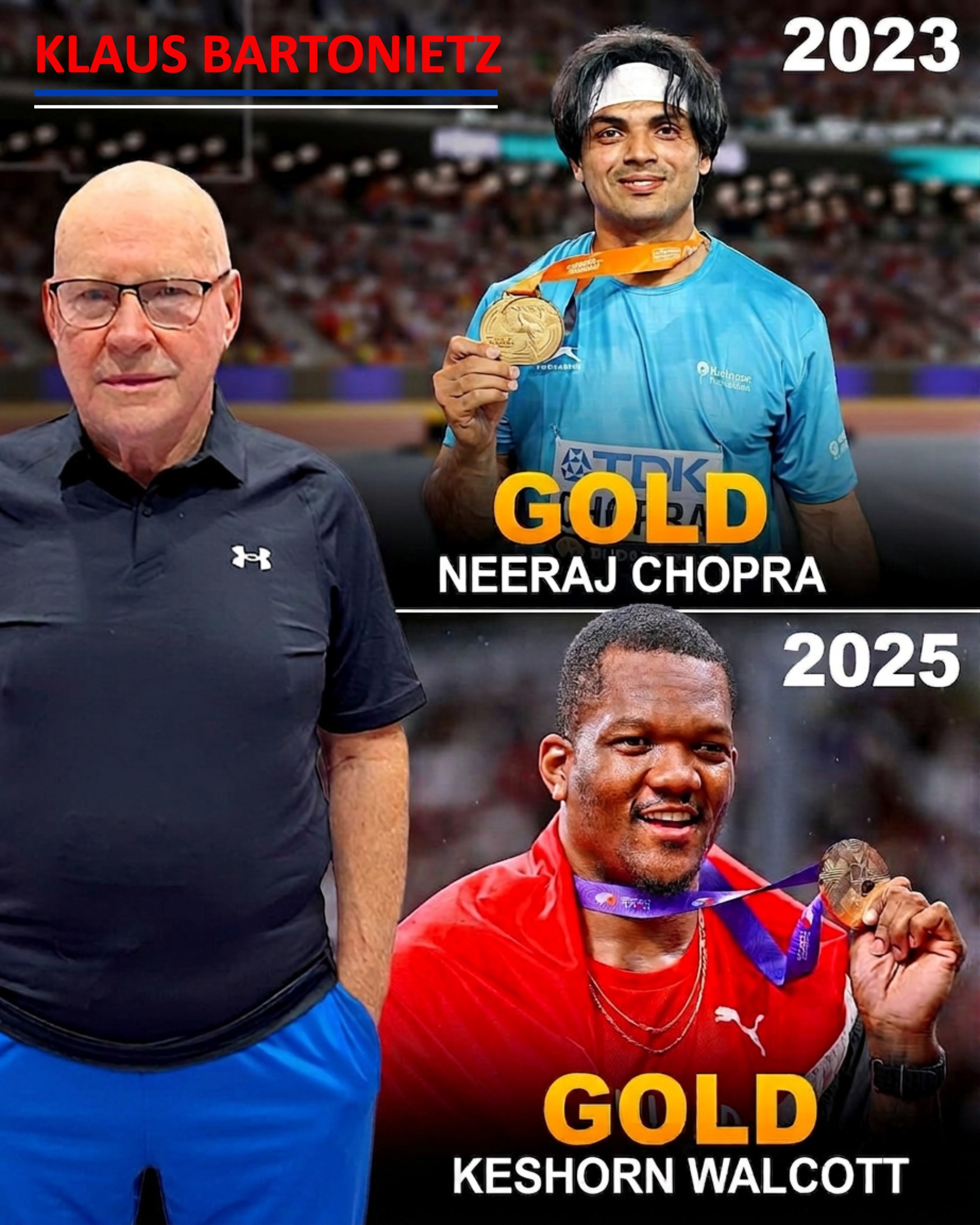
German biomechanist Klaus Bartonietz is among the absolute best in his field. His approach to training is built on precise movement analysis and the use of the body's elasticity, which he compares to drawing a bow. He is not after raw strength, but perfect technique and efficiency in every movement.
Behind that view lie fifty years of research. Born in 1948 in Bischofswerda, Saxony, he was a doctoral student at the Central Institute of Physical Education in Moscow from 1972 to 1975 under Prof. V. M. Zatsiorsky, with a dissertation on the biomechanics of soccer, boxing and tennis. For the next fifteen years (1975–1990) he worked in the throwing events research team at the FKS in Leipzig, the research institute for elite sport, and in 1987 he completed his habilitation on the technique of competition exercises in the throwing events. From 1990 to 2008 he was a movement analyst and training adviser at the Olympic Training Centre of Rhineland-Palatinate and Saarland, coaching javelin, discus, hammer and shot put from beginners to elite athletes, and he holds the German athletics federation's 'A' licence. From 1995 to 2005 he was the personal coach of Boris Henry (personal best 90.44 m, 1997).
His golden era was the collaboration with Indian javelin thrower Neeraj Chopra, whom he took on in 2019 after an elbow injury and led to historic gold at the Tokyo 2020 Olympic Games. Together they worked hard on his technique – improving stance stability and the connection between the run-up and the throw. Their collaboration lasted five decisive years and laid the foundations for Chopra's rise to the absolute world elite. From 2019 to 2024 he was javelin coach for the Sports Authority of India; under his guidance Chopra won Olympic gold (2021), the world title, the Asian title in 2022 and Olympic silver (2024).
After five years Bartonietz took on a new challenge – since November 2024 he has been coaching the London 2012 Olympic champion, Keshorn Walcott of Trinidad and Tobago (personal best 90.16 m, 2017). Here too his methods have proven miraculous – under his guidance Walcott won gold at the 2025 World Championships in Tokyo, his first world trophy of his career. Walcott has called this collaboration the best decision of his career.
He formally retired in 2008 and has barely stopped working since. He is a coach, consultant, author and lecturer for national federations and for World Athletics, and he has sat on the editorial board of the German journal leichtathletiktraining since 2002. He has worked as a personal coach at World Championships, Olympic Games, Asian Games and Commonwealth Games from 1997 to 2026, and has lectured for the IAAF in Chula Vista (2013), in Jakarta (2017) and at the World Javelin Conference in Kuortane (2021 and 2025). Since 2025 he has also been a consultant to the Inspire Institute of Sport in India.
At the seminar he will cover:
Interesting facts about his training method:
The seminar also includes a specialist excursion at the Domažlice Municipal Brewery, taking place on Friday 13 November 2026. You will have the unique opportunity to explore the restored late-19th-century malthouse and follow the entire beer-making process from start to finish.
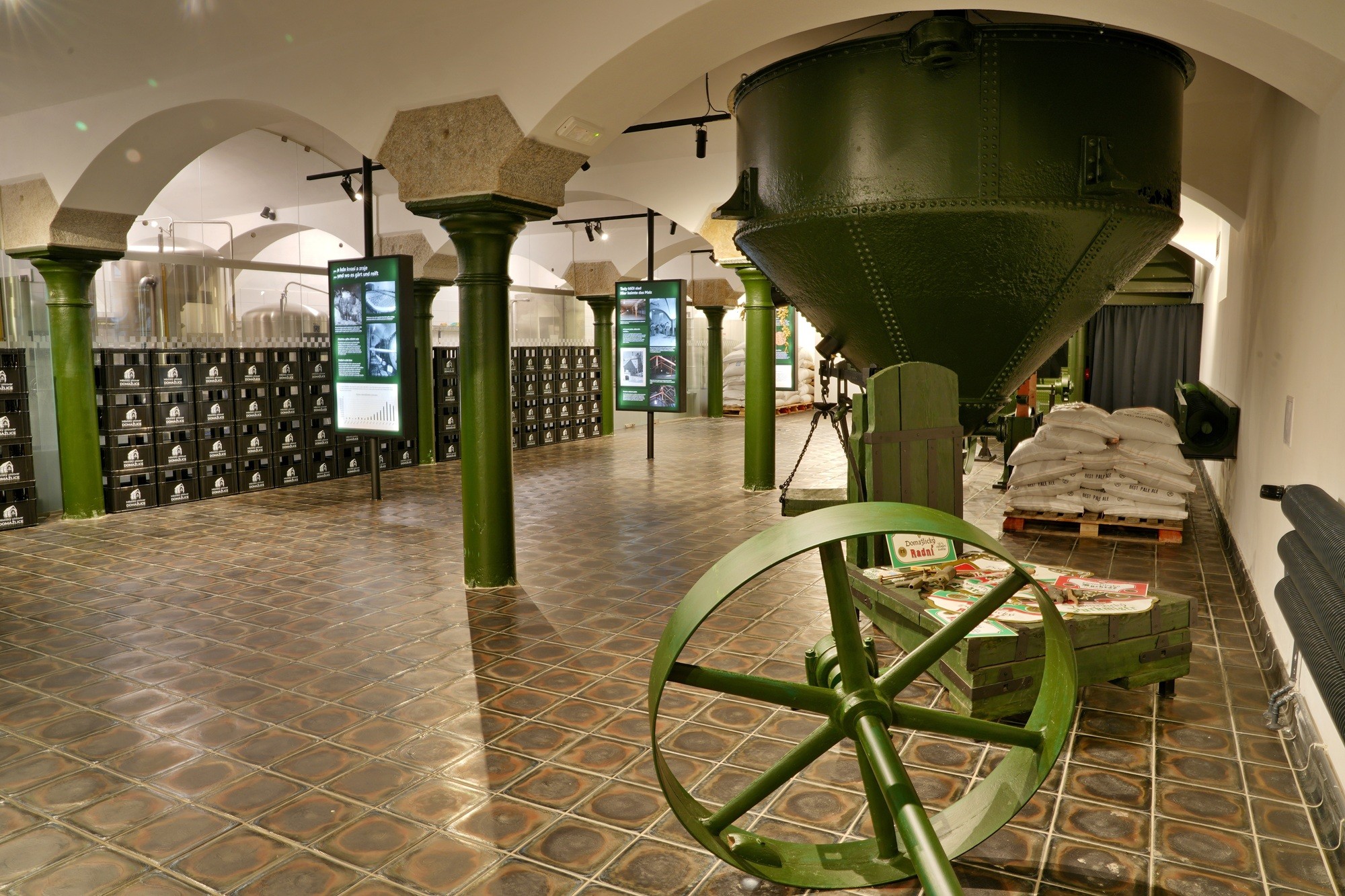
Beer brewing has been part of Domažlice for centuries – the first written record of local brewing dates to 1341. In 2020, beer production returned to the former malthouse and kiln building after nearly a quarter of a century. Today the brewery produces honest beer inspired by the Chodsko tradition and the local region, primarily bottom-fermented lagers and other specialities. The names of the beers reference the Chod dialect, traditional crafts and notable places in the area.
The tour will be led by head brewer Jana Müllerová, a former athlete and javelin thrower who began her career under coach David Sekerák at the local club Mílaři Domažlice. Her combination of a sporting and brewing background makes her the ideal guide.
"Our aim was to build on the original recipes and bring them to today's standard of quality."
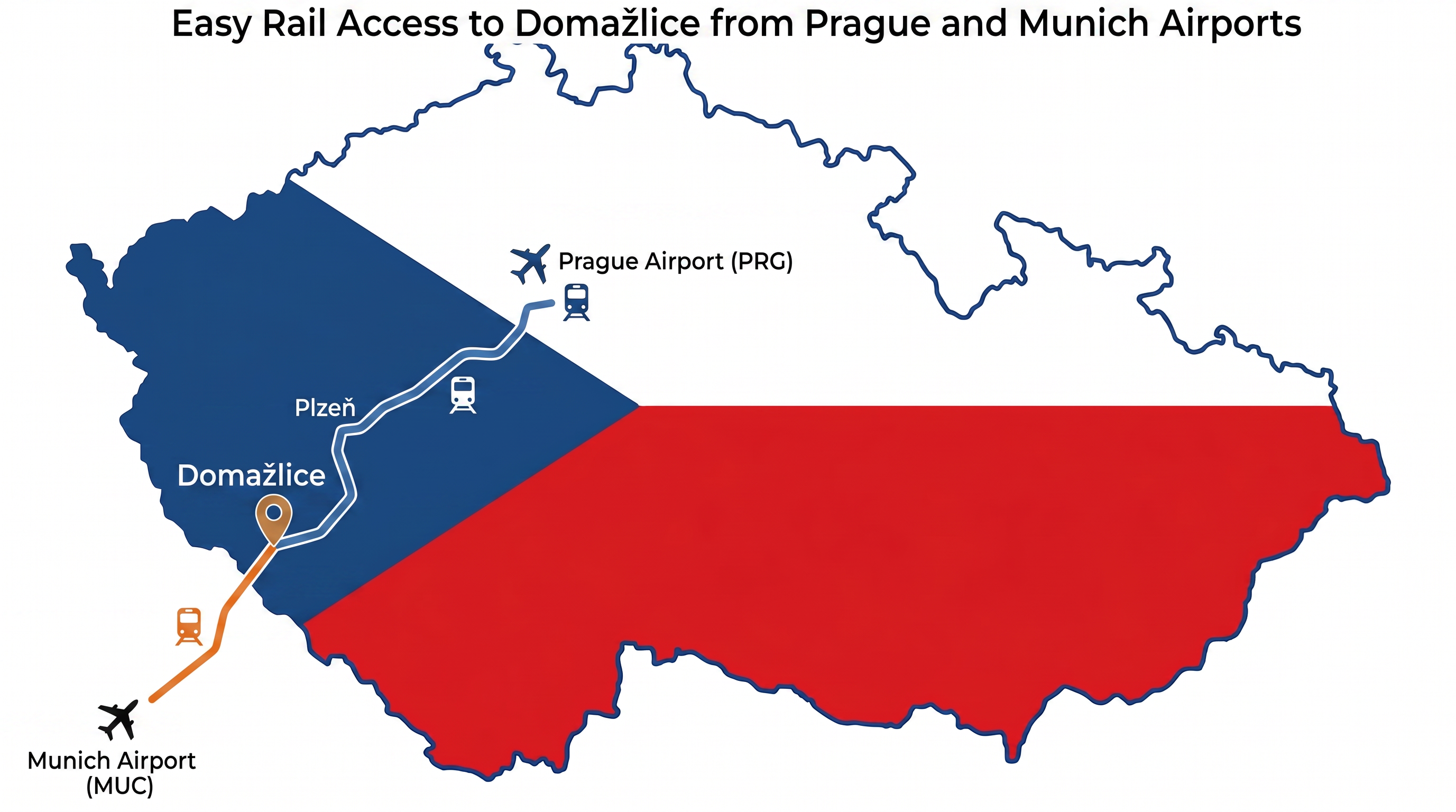
Places are limited — registration is mandatory.
Register via the registration form
or alternatively by email: ceo@czechjavelin.cz


